Materials
Chosen to last
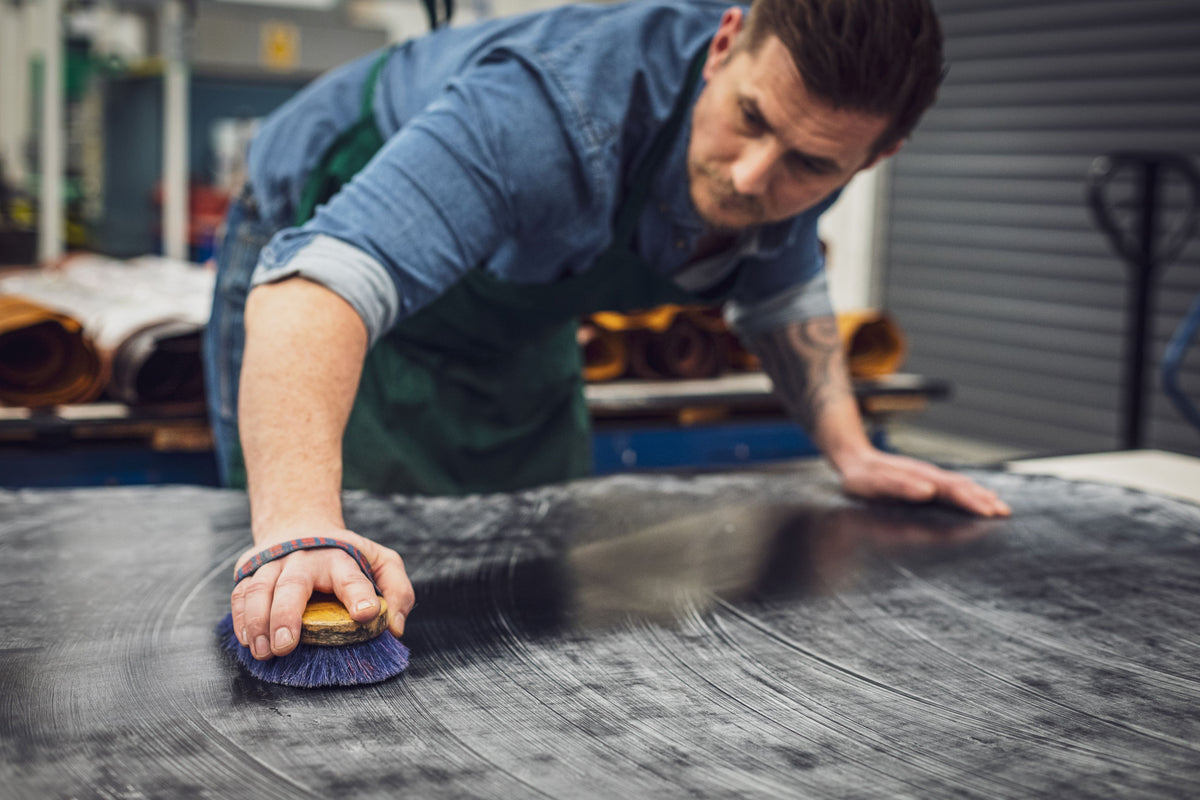
We work with tanneries that share our values, choosing leathers that meet the highest standards of quality and durability while keeping our impact on the planet as low as we can. Each material below is chosen for how it wears, and how it ages.
Sourcing
Where it all comes from
Most of what goes into a Beorma piece is sourced in Britain and brought together in Walsall. Select a point to see what comes from where.
-
 About us
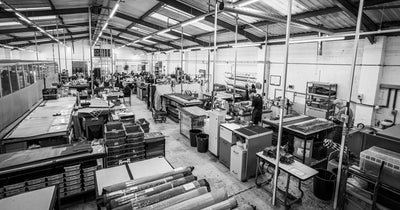
Everything comes together here. Every piece is cut, stitched and finished by hand in our workshop in Walsall, England's historic leather quarter.
-
 Read more
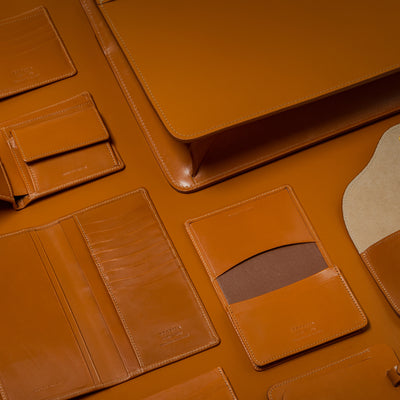
Our bridle comes from J & F J Baker in Colyton, Britain's last traditional oak bark tannery, where hides are tanned slowly in pits using only natural products.
-
 Read more
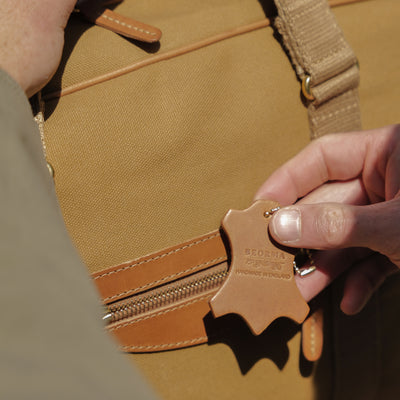
18oz cotton canvas, woven in one of the oldest working mills in the UK and waxed by a Scottish maker with more than 150 years of history.
-
 Read more
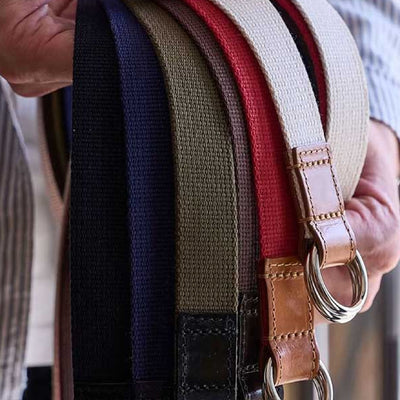
Our webbing comes from Manchester, once the centre of Britain's textile trade. We pair it with our signature bridle leather on the tabs and tips of our double-ring belts.
-
 Read more
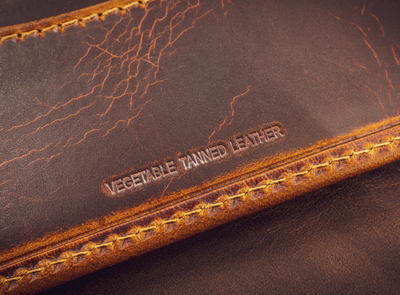
Full grain vegetable-tanned leather from the Tuscany region of Italy, used across our bags and to trim our canvas range.
-
 Read more
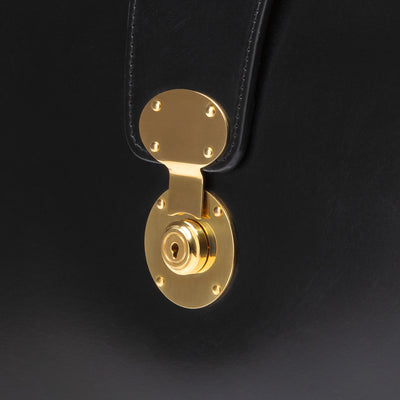
Some of our brass hardware comes from Abbey England, whose Walsall foundry has been casting brass since 1832.
01
Bridle leather
English bridle leather is renowned for its quality and durability. It was first made for a horse's headpiece and reins, so it had to be comfortable against the animal's skin and strong enough for the rider's safety.
Ours comes from J & F J Baker in Colyton, Devon, Britain's last traditional oak bark tannery. The hides are tanned slowly in pits using only natural products. Once they are inspected and dyed, the leather is hand-greased with natural tallows and oils to give it a polished shine.
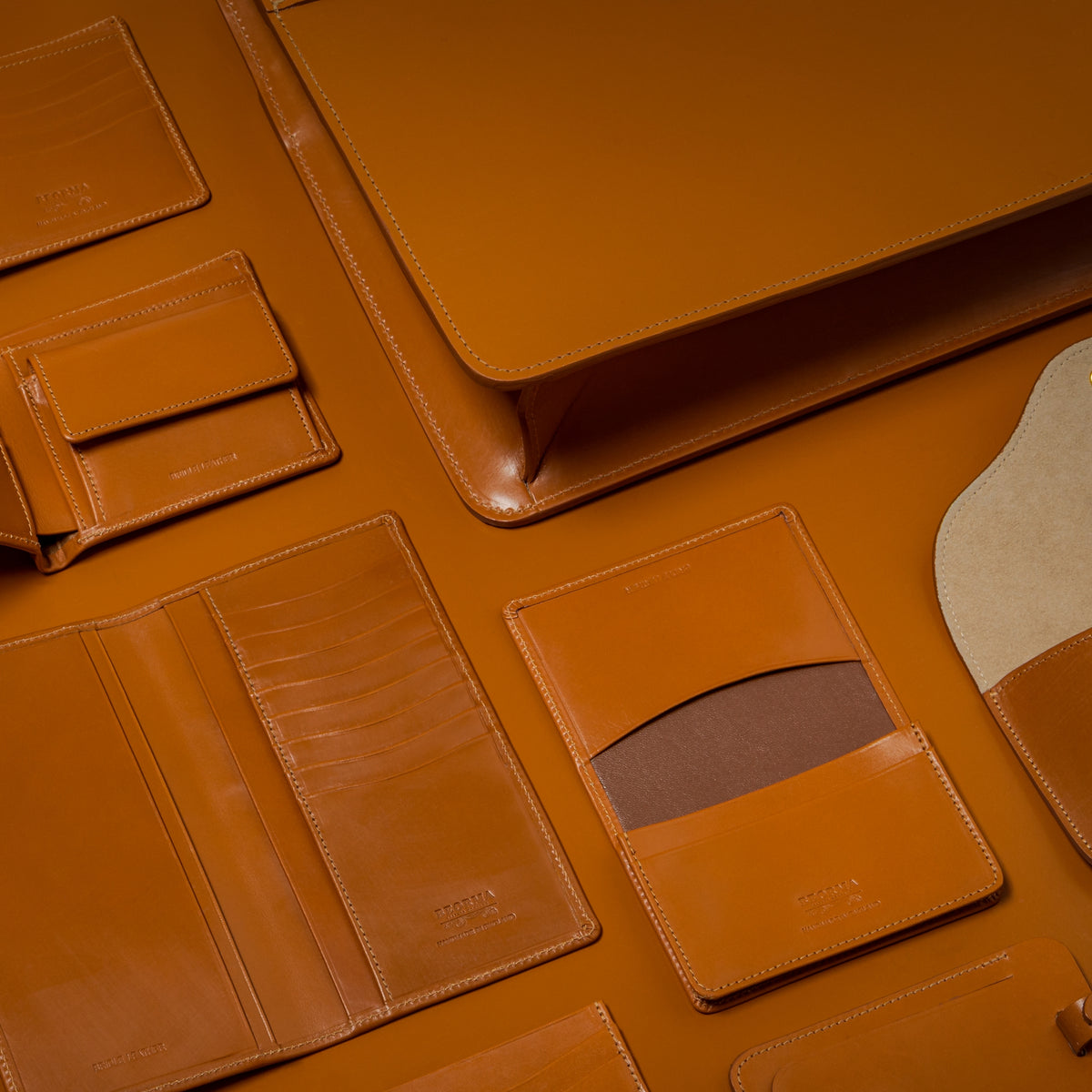
The white coating on the surface, known as the bloom, is a true mark of superior English bridle. It is still used across the equestrian world, and we use it for our belts, small leather goods and Heritage briefcases.
02
Vegetable tanned leather
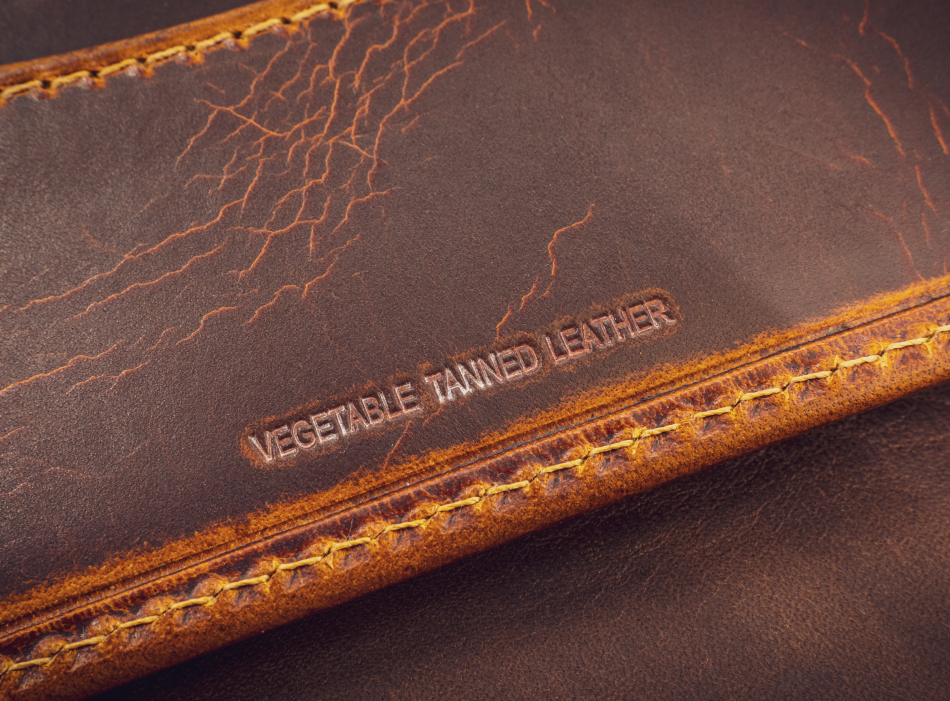
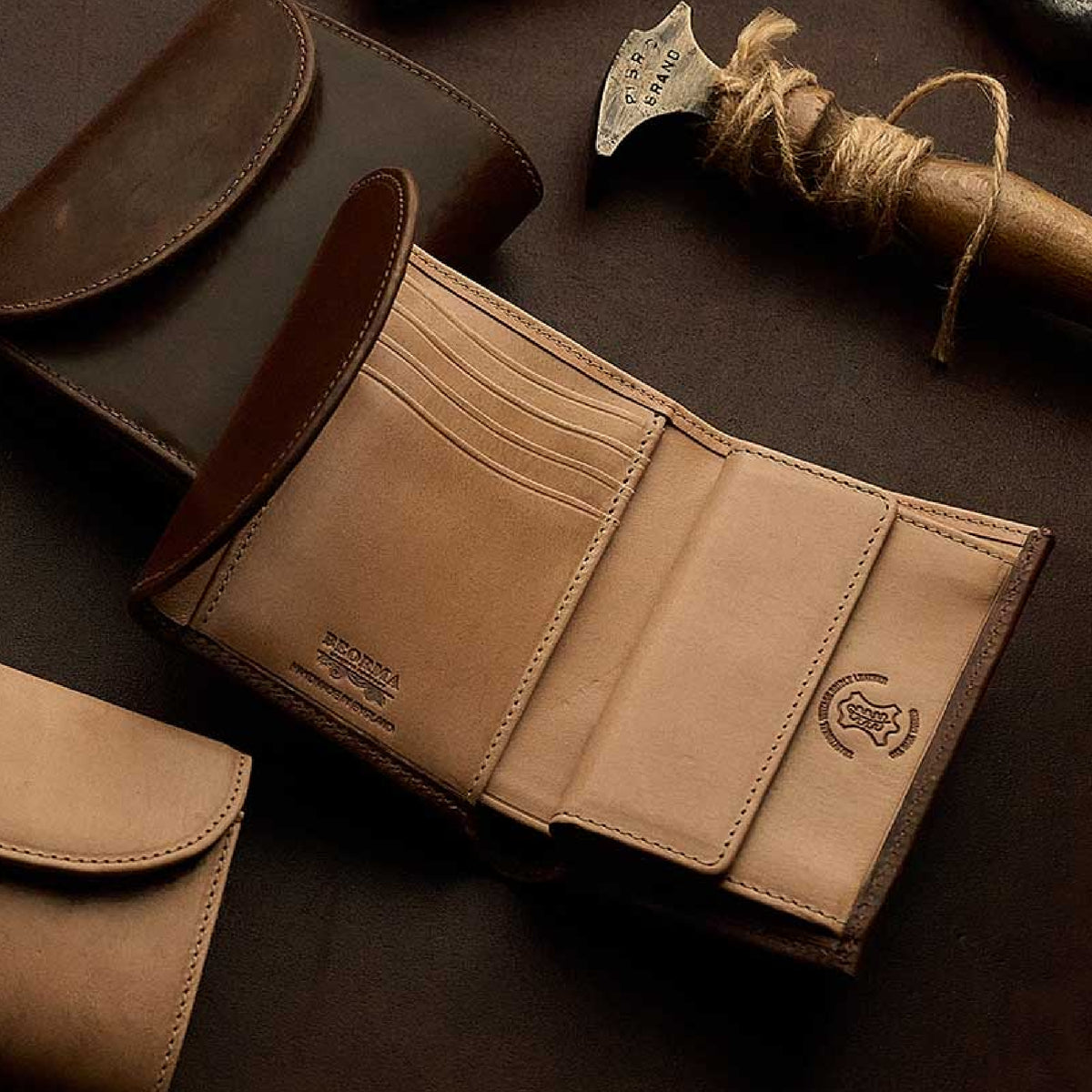
Our vegetable-tanned leather is a full grain hide that carries the traditions and character of the tanneries where it is made. It has a distinctive aromatic smell, and every piece has its own shades and markings that patina over time.
Vegetable tanning uses natural tannins from the bark, leaves and branches of trees and plants. After tanning, each hide is coloured in a barrel and dyed all the way through, so it keeps a natural look that darkens and shines with use.
Our waxed range is tanned with oils and fats, polished with an amber stone and finished with wax. The result is a pull-up effect: the colour lightens where the leather is folded or stretched, and settles back as it rests.
03
Vintage bridle
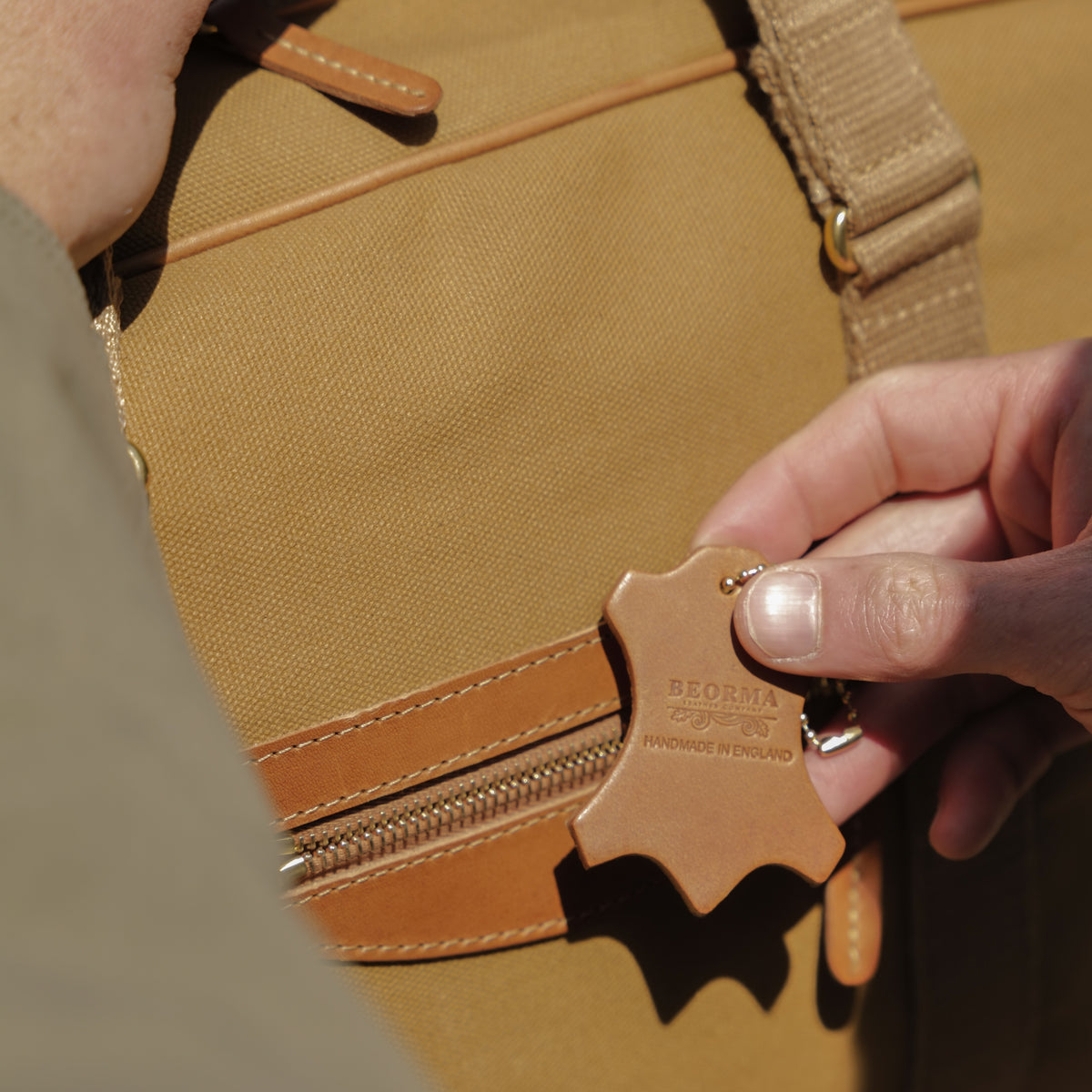
[Copy to come: what vintage bridle is, how it is finished and how it ages.]
04
Canvas
Our canvas bags use British waxed cotton canvas from a Scottish wax fabric maker with more than 150 years of history. The densely woven 18oz cotton is wax-coated for water repellence and durability. It is dry to the touch, with a faint wax feel on the fingertips, and gains character the more it is used.
The leather that frames each bag is a full grain vegetable-tanned hide, tanned with chestnut bark extract, which develops a deep patina as it ages.

05
Webbing
Our webbing comes from Manchester, once the centre of Britain's textile trade. It has a rugged texture that softens and becomes more flexible the more it is worn.
We pair it with our signature bridle leather on the tabs and tips of our double-ring belts, for strength where the belt takes the most strain.
06
Brass hardware
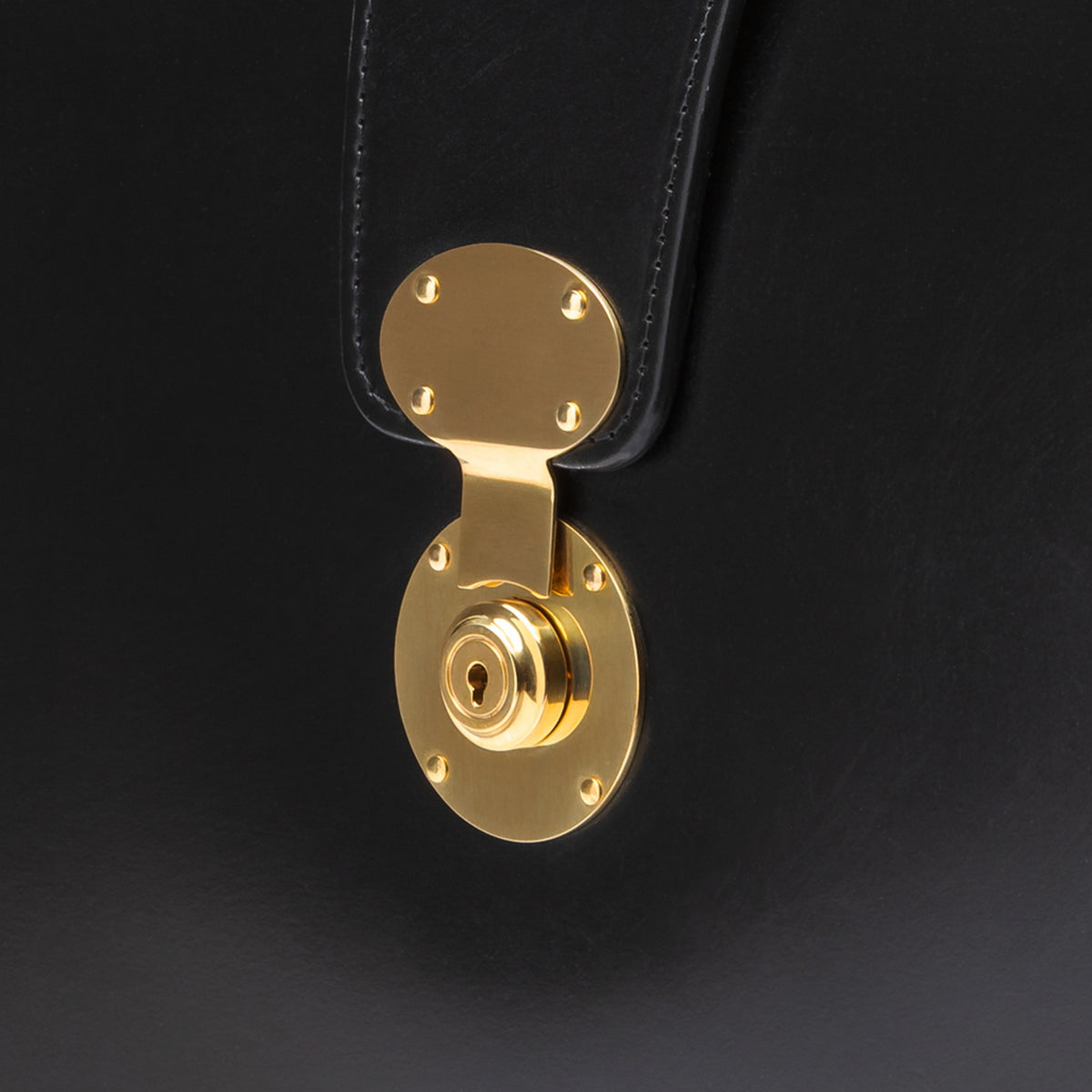
The locks, buckles and fittings on our bags are solid brass, chosen to work smoothly for decades and to mellow alongside the leather.
Some of our hardware comes from Abbey England, Royal Warrant holders as suppliers of saddlery workshop materials, whose Walsall foundry has been casting brass since 1832. It's the same town our own workshop calls home.

Follow us